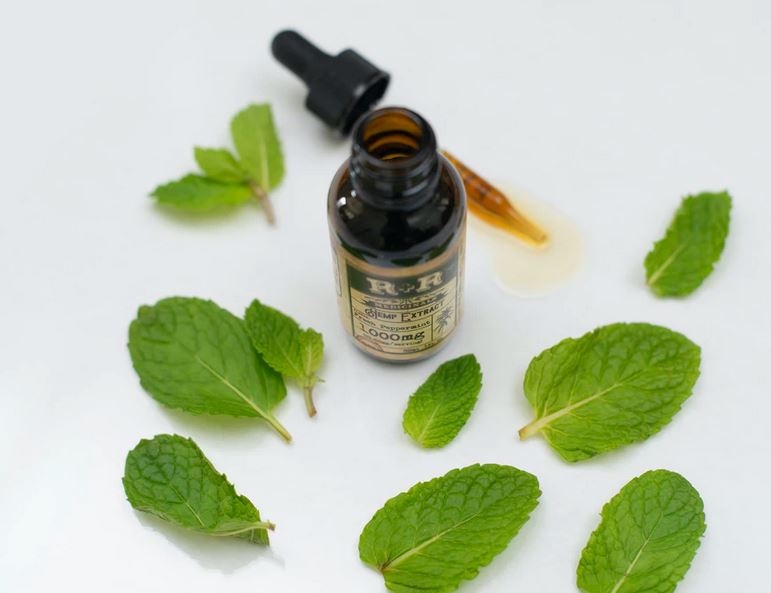
Whole herb vs plant extract
It can be difficult to decide which herbal products to purchase due to the many selections available. With so many products to choose from, it is easy to become confused about which form of the herbal product is the right fit for you. Whole herb and plant extract are the typical forms found in supplements. One is not necessarily better than the other, so it good to understand the difference between the two.

Sleep and Insomnia
Normal sleep is important for a healthy mind, body, and soul. However, at times, we may need a little help to get the sleep we deserve. Here are some of the best medications, herbals, and supplements for a better sleep.

Energy
There are days when we may have trouble staying awake. This can ruin our day especially since most activities require us to be alert. Here are some of the best medications, herbals, and supplements for more energy.

Eye Health
Vision is one of our most important senses. It allows us to see and respond to the world around us. Therefore, taking care of our eye health is one of the most important things you can do for yourself. Here are some possible options to help support vision health.

Pain: California Sagebrush
The California sagebrush has been used by Native Americans to treat pain. This herb has different compounds that target different pain receptors which contributes to its efficacy. In contrast, modern medications typically are designed to isolate one compound and have only one target. The most effective pain management strategy, however, is using a more multi-modal approach by combining various behavior therapies with medications targeting various pain receptors.

Bad Breath (Halitosis)
Bad breath can affect the people next to us. This can lead to relationship issues and our emotional well being as a result. Here are some suggestions to help reduce bad breath.

Depression and Mood
Changes in mood can be from a wide variety of factors, from stress to changes in hormones. This can affect our quality of life, espcially if we are have trouble being happy. Here are some supplements to help support emotional well being.

Heart Health
The heart is the organ that pumps us with life. However, environmental factors can put undue stress on the heart. Here are some supplements to help support heart health.
Blood Pressure Monitor
Hypertension (high blood pressure) is known as the silent killer. Your body is normally able to compensate for the increased pressure. However, increased stress factors can cause a spike in pressure that your body can no longer compensate for. Here are some of the best blood pressure monitors to help keep your blood pressure under control.

Joint and Cartilage Health
As we age, the cartilage on our joints wear out. This can lead to pain and inflammation as the bones rub against each other. Here are some of the best supplements to support joint and cartilage health.
Prostate Health
As men get older, the risk of an enlarged prostate increases. This may lead difficulties in urination, resulting in poorer quality of life. There may be supplements to help support prostate health.